
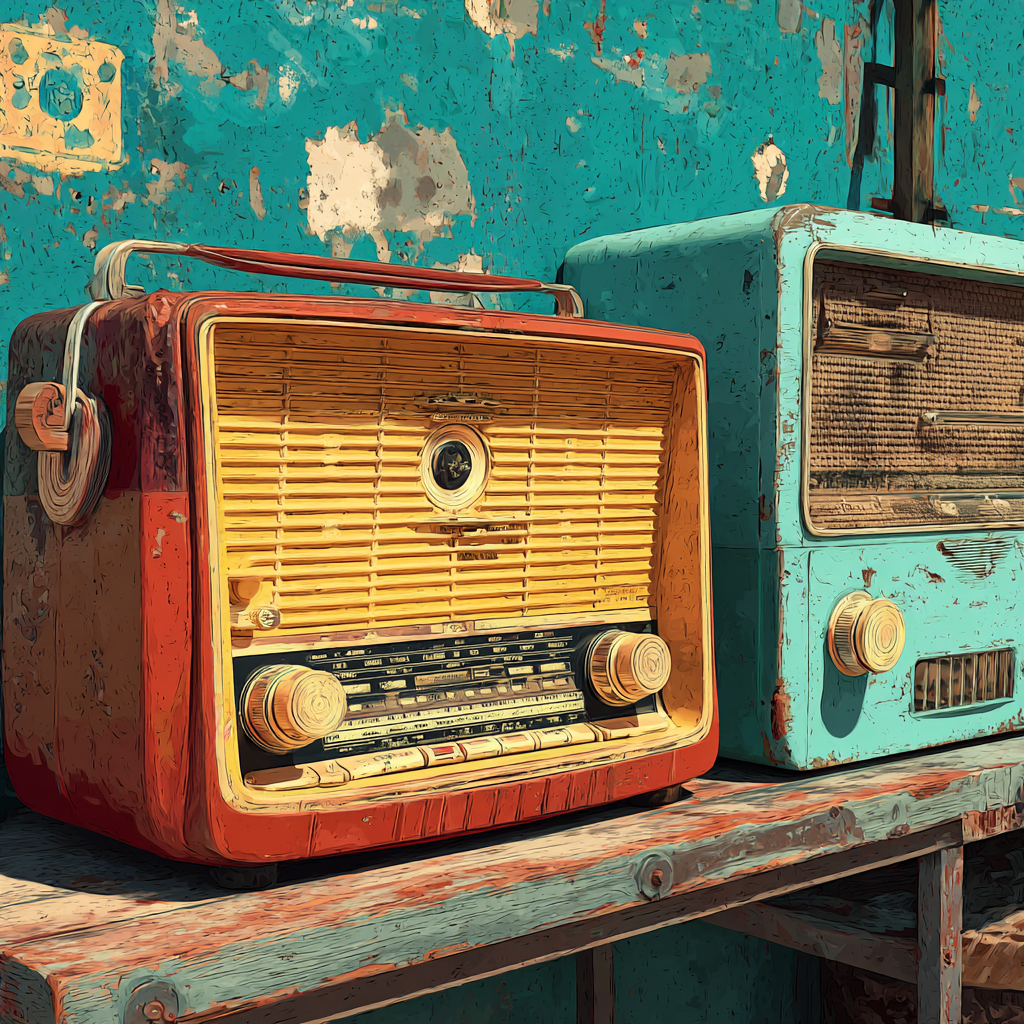
So, every February, World Radio Day offers a timely reminder of a medium that has quietly shaped our lives for more than a century. In an era of streaming platforms, smart devices, and personalised digital feeds, radio might seem old‑fashioned. Yet it remains one of the most trusted, resilient, and widely used forms of communication in the world, and its importance has never truly diminished.
My personal connection to radio began in my early twenties, when I was fortunate enough to be part of a volunteer hospital radio team in the Harrow area of North London. As presenters and interviewers, we created and broadcast entertainment for patients and staff in the local hospitals, offering companionship, music and conversation at a time when it was most needed.
That experience was more than volunteering, it was a formative grounding for many who would later move into the broadcasting industry as presenters, engineers, producers and researchers. It revealed radio’s unique power to inform, comfort, connect and give voice, even with limited resources and simple technology. With that in mind, and in recognition of World Radio Day, here is a brief reflection on radio’s journey and why it remains so important today.
Radio’s story begins in the late 19th and early 20th centuries, when pioneers like Guglielmo Marconi demonstrated that sound could travel invisibly through the air. By the 1920s, radio broadcasts had entered homes around the world, bringing news, music, drama and sport to people who had never before experienced mass communication in real time. For the first time, entire nations could share the same moment, hearing a cricket result, a wartime announcement, or a new song, together.
Throughout the 20th century, radio proved itself indispensable. It informed communities during wars and economic upheaval, entertained families through the Great Depression, and gave voice to social movements, local cultures and emerging musical genres. Even as television rose to prominence, radio adapted, becoming more mobile, more local, and more personal.
What makes radio so powerful, even today, is its simplicity. It doesn’t demand your full attention. It fits into busy lives seamlessly, in cars during the morning commute, in workplaces, kitchens, farms, and hospital wards. Unlike screens, radio keeps hands and eyes free, allowing people to stay informed and connected while going about their day. In a world of constant alerts and visual overload, that gentle companionship is no small gift.
Radio also remains one of the most accessible technologies on the planet. It reaches people regardless of age, income, literacy, or internet access. During natural disasters and emergencies, when mobile networks and power grids fail, radio often continues to broadcast, providing life‑saving information and reassurance. For remote and regional communities, particularly, radio is not just entertainment it is a lifeline.
Despite rapid technological change, radio has continued to evolve. Digital broadcasting, online streaming, podcasts, and smart speakers have expanded how audiences engage with audio content. Yet at its core, radio still centres on real voices speaking to real people, often locally, often live. That authenticity builds trust, something increasingly scarce in today’s fragmented media landscape.
As we celebrate radio, we are also reminded of the responsibility to protect it for future generations. This means supporting diverse and independent broadcasters, investing in modern transmission infrastructure, preserving radio spectrum, and encouraging young people to see audio storytelling as both relevant and valuable. It means recognising that not all progress involves replacement; sometimes it involves preservation, adaptation, and respect for what already works.
Radio has endured because it meets a fundamental human need: connection. It informs, comforts, entertains, and unites, quietly and reliably, day after day. In our fast‑paced, highly technological world, radio stands as proof that the most powerful innovations are often the ones that bring us closer together.
Beyond national broadcasters and commercial stations, hospital and community radio continue to embody radio at its most human. Often run by volunteers, these services bring companionship, familiarity and a sense of normality to people who may otherwise feel isolated, whether in hospital wards, care homes, or local communities. They also serve as vital training grounds, giving aspiring presenters, technicians and producers practical experience while reinforcing radio’s foundational values: service, connection and trust. These smaller, often unseen broadcasters underline a simple truth, radio does not need scale to have impact.
On World Radio Day, we celebrate not just a technology, but a trusted companion, one that continues to speak to the heart of our communities and deserves a strong future.
Comments are closed