
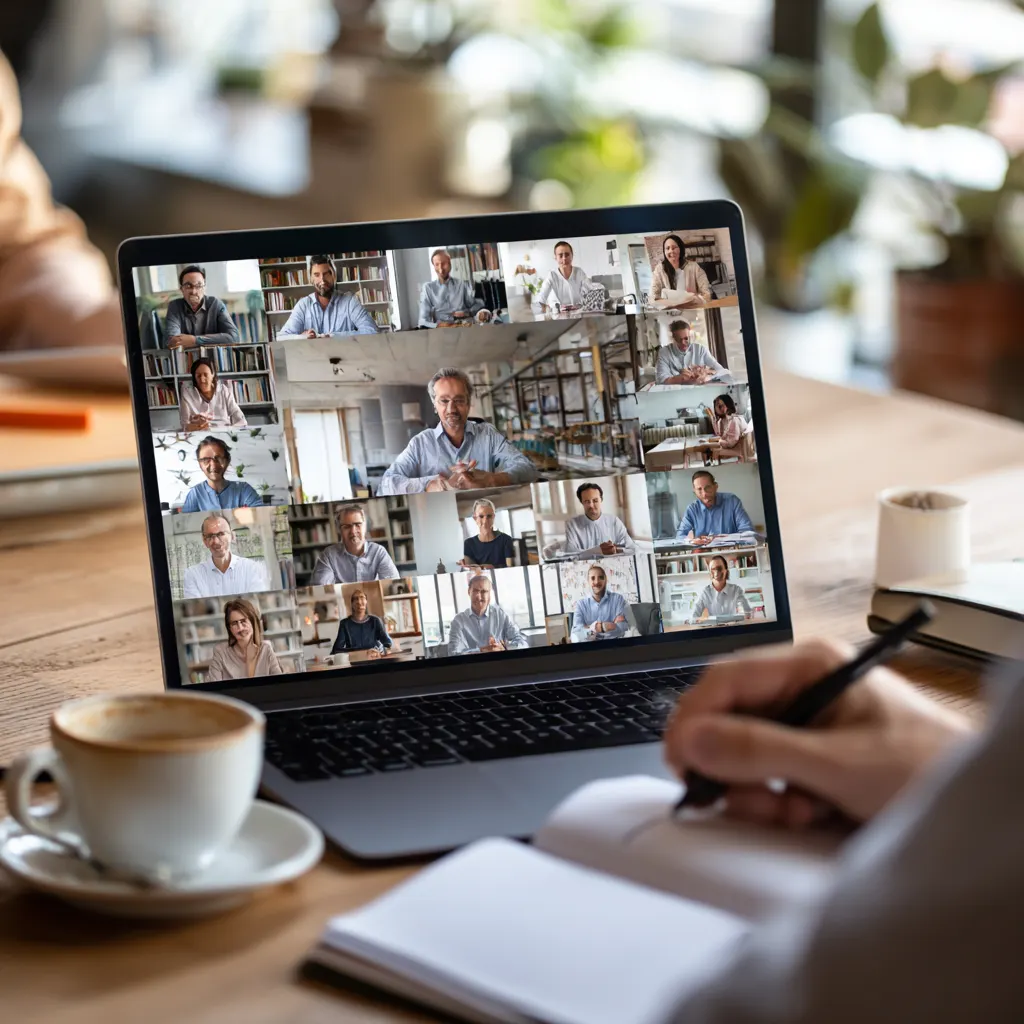
Since the days of the Covid Lockdown our ways of working and the shape and format of our work teams has changed, some say for the good, some say for the worst. The only thing we can say it’s here to stay and it’s the current norm.
For organisations such as our clients, leading global teams effectively requires more than just technology, it demands a strategic blend of tools, practices, and cultural awareness.
Communications is the Cornerstone
Clear, consistent communication is vital. Tools like Microsoft Teams, Slack, and Zoom enable real-time collaboration, but success hinges on how they are used. Leaders should establish communication norms, such as daily stand-ups, weekly check-ins, and asynchronous updates, to ensure everyone stays aligned regardless of time zone.
Project Visibility and Accountability
SaaS Project Management Platforms like Jira, Asana, and Trello provide transparency across tasks and timelines. These tools can help distributed teams track progress, assign responsibilities, and flag blockers early. Leaders should encourage ownership by setting clear expectations and celebrating milestones to maintain motivation and accountability.
Building a Culture of Trust
Since the Lockdown, the one key challenge we have learnt to adapt is the way we manage teams. No longer are they all sitting in our office but are effectively remote, with some businesses taking the advantage of extending teams to an International virtual team. Remote leadership thrives on trust. This means shifting from micromanagement to outcome-based leadership. Regular feedback loops, one-on-one sessions, and recognition programs foster a sense of belonging and engagement. Tools like 15Five or Officevibe can help monitor team sentiment and support employee wellbeing.
Time Zone and Cultural Sensitivity
Leading across borders requires empathy and flexibility. Use scheduling/calendar tools to coordinate meetings fairly to accommodate the different time-zones for your team. Working in APAC we have the challenges of multiple time-zones from New Zealand through to India, where the difference can be as much as 7 ½ hours. Mix that in with client Stakeholder in Europe and America and the co-ordination of meetings can be nightmare, oh and don’t mention the few weeks when countries change their clocks on different days. Encourage asynchronous collaboration where possible, and be mindful of cultural nuances in communication and decision-making. Technical Teams have increased their use of MS Teams Chat and or WhatsApp chat or even SMS to help connect with other Project stakeholders.
Security and Compliance
With remote work comes increased risk. Leaders and business policies must ensure that businesses secure access to systems, using tools like Azure AD, Okta, or Secure VPNs, and enforce data governance policies. Regular training on cybersecurity best practices is essential to protect both teams and client data.
Continuous Improvement
Remote leadership is an evolving discipline. Encourage feedback on processes and tools and be open to change. Regular retrospectives and pulse surveys can uncover areas for improvement and innovation.
Bushey provides independent governance and assurance for technology transformation. Through structured oversight and disciplined programme control, we ensure outcomes are achieved with clarity, accountability, and confidence, supported by specialist capability across change, project leadership, AI, cyber, Data Centre, and M&A services. Our focus is on aligning transformation to business objectives, applying proven frameworks, and enabling secure, resilient, and future-ready environments.
If you are challenged by managing remote teams, please reach out to us at Bushey, for a no obligation meeting, contact us at Contactus@bushey.com.au or visit our web site at www.bushey.com.au
Comments are closed